Why Is Your Plaster Ceiling Cracking or Falling? Warning Signs Malaysian Homeowners Should Know (2026 Guide)
Index

Introduction
A simple way to understand the problem
If your plaster ceiling is cracking, stained, sagging, or starting to fall, it is usually a sign that something underneath needs attention. Sometimes the issue is minor and can be repaired early. Sometimes it points to water leakage, weak joints, ageing boards, or a ceiling section that is no longer holding properly.
In this guide, you will find the warning signs to look out for, the common causes behind ceiling damage in Malaysian homes, and when it makes more sense to repair or replace the affected area before the problem gets worse. ✨
What Cracks and Falling Ceiling Sections Usually Mean
Small cracks are not always harmless
A small crack on the ceiling may look cosmetic at first, but it can also be an early sign of joint movement, moisture, or weak finishing.
It is worth paying attention when:
The crack keeps getting longer
The same line reappears after repainting
The area feels uneven around the crack
Nearby joints also start showing separation
Why sagging or loose ceiling areas need fast attention
Sagging is more serious than a normal hairline crack. It can mean the board is weakened, the support is affected, or moisture has been trapped for too long.
When a ceiling section starts dipping or feeling loose, it should be checked quickly to reduce the risk of a larger piece dropping later.

Common Causes of Plaster Ceiling Damage in Malaysia
Water leakage and trapped moisture
This is one of the most common reasons plaster ceiling damage appears in homes, especially around bathrooms, upper floors, roof areas, and air-conditioning lines.
Signs often include:
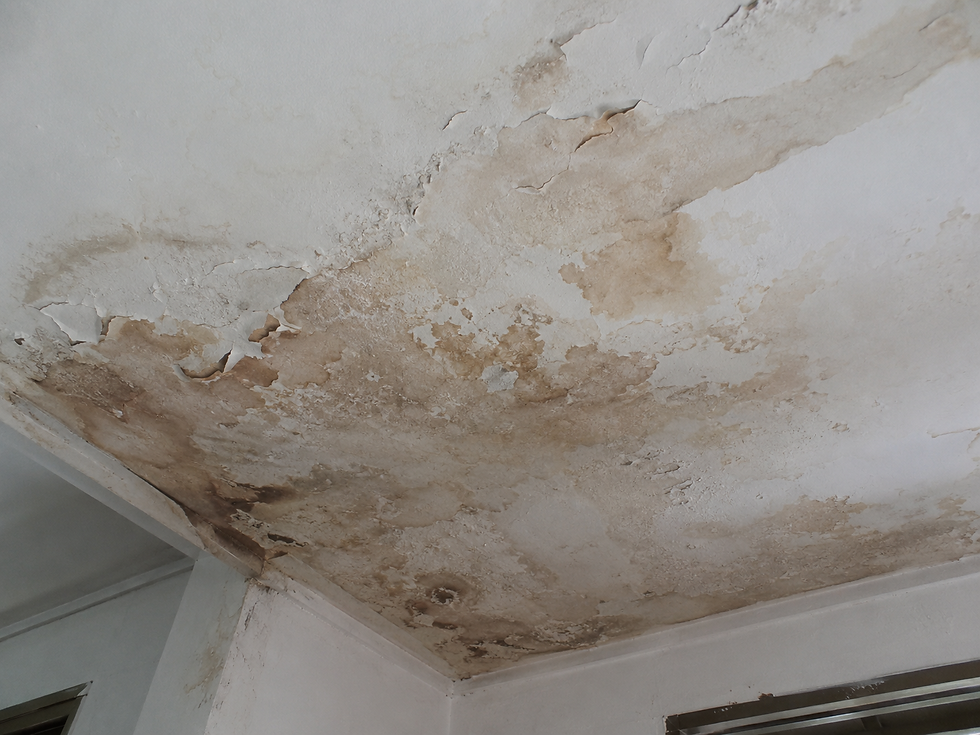
Yellowish or brown water stains
Soft or swollen board surfaces
Peeling paint near affected spots
Repeated ceiling damage after temporary patching
Weak joints, ageing materials, and poor workmanship
Not all ceiling problems come from leaks. Some start from joint lines that were not finished well, materials that have aged over time, or installation work that was not done neatly from the start.
This often shows up as:
Repeating crack lines
Uneven surface finishing
Loose corners or edges
Joints becoming visible again over time
Ceiling load, vibration, and long-term wear
Extra fittings, long-term vibration, or natural wear can also affect ceiling condition, especially in older properties.
This may happen in spaces with:
Older ceiling structures
Heavy light fittings or added accessories
Frequent door vibration or upper-floor movement
Long periods without inspection or maintenance
Warning Signs You Should Not Ignore
Some signs are easy to miss because they develop slowly.
Watch for:
Hairline cracks becoming longer
Water marks spreading wider
Paint bubbling or peeling
Joint lines turning visible again
Bulging, sagging, or hollow-sounding sections
A section that looks swollen, dips lower than the rest, or sounds hollow when lightly checked may need more than cosmetic repair.
These signs can point to:
Moisture damage inside the board
Weak support or fastening
Internal separation that is getting worse
Lights, joints, or corners starting to shift
If downlights, ceiling corners, or edges around access panels start looking misaligned, that can be another warning sign that the ceiling is moving.
This is especially important if:
The light fitting no longer sits neatly
The corner line looks uneven
The surrounding area feels soft or loose
Plaster Ceiling Repair and Installation Price Guide
Starting prices from our current package
Based on the attached pricing:
Flat Ceiling: from RM5.50 / sqft
L-Box: from RM25 / feet run
Lighting with Installation: from RM80
These are helpful starting points if repair work leads to partial replacement or a new ceiling section.
Sample room pricing by size
Here are the sample prices shown:
300sf Ruang Tamu: RM1650
700sf Ruang Menunggu: RM3850
Final cost can vary depending on:
Size of the damaged area
Whether only repair or full replacement is needed
Site access and working condition
Number of lighting points involved
Finishing and repainting scope

When to Repair and When to Replace
Repair is often enough for localised damage
Repair may be suitable when the problem is limited to one section and the rest of the ceiling is still in good condition.
This is often the case when:
Damage is limited to a small area
The support structure is still stable
The cause has already been identified and fixed
Replacement may be safer for widespread damage
If the ceiling has repeated cracks, widespread staining, sagging in multiple sections, or long-term deterioration, replacement may be the safer and more practical option.
This is more likely when:
Damage keeps coming back after patching
The board feels weak across a larger area
There are multiple moisture-affected spots
The ceiling is already old and heavily worn
What Malaysian Homeowners Should Check Before Hiring a Contractor
Inspection, root cause, and workmanship quality
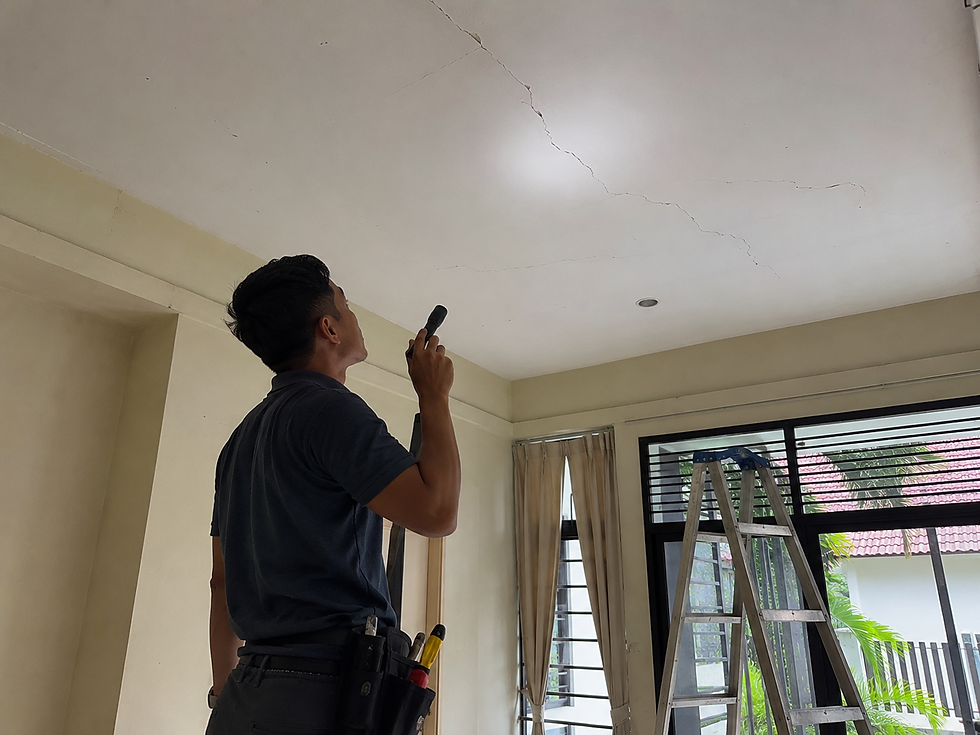
A proper repair should not only cover the visible crack or damaged spot. The cause needs to be checked first.
Ask whether the contractor will inspect:
Possible leakage or moisture source
Joint condition and board support
Affected light fittings or nearby ceiling sections
Whether repair or replacement is more suitable
Quotation clarity, timeline, and finishing scope
A clear quotation helps you understand what you are paying for before work starts.
Check whether it includes:
The actual repair or replacement area
Repainting or finishing work
Estimated completion time
Site visit and inspection details
Did You Know?
Many ceiling problems look small in the beginning because the paint still hides the actual condition underneath. A fine crack or light stain can sometimes be the early stage of moisture damage or joint failure. That is why early inspection often saves more money than waiting until a whole section starts sagging. 😊
Helpful Ideas Before You Enquire
Questions people usually search before booking repair work
Before contacting a contractor, many homeowners are usually trying to understand a few things first.
They often want to know:
Why plaster ceiling cracks happen
Whether a cracked ceiling is dangerous
How much ceiling repair usually costs
Whether sagging ceiling should be replaced fully
How to know if water leakage is causing the damage
This is why a good article should answer those real questions naturally instead of only pushing a service.
Useful pages and references to include
If this article is published on your website, it will feel stronger when supported by related pages such as:
Plaster Ceiling Contractor Selangor & KL
Plaster Ceiling Lighting Design Malaysia
Plaster Ceiling Price Guide
Ceiling Repair Service for Homes and Offices
Useful references can also be added where relevant, such as:
CIDB Malaysia for construction-related information
SIRIM for standards and product references
Suruhanjaya Tenaga for electrical safety awareness when lighting points are involved
Conclusion
Plaster ceiling cracks and falling sections should never be ignored, especially when the damage keeps spreading or the area starts sagging. Some issues can be repaired early, but others need a safer replacement approach.
To recap:
Small cracks can still point to bigger issues underneath
Water leakage is one of the most common causes of ceiling damage
Sagging, stains, and shifting fittings are warning signs worth checking quickly
Repair is often enough for localised issues
Widespread or repeated damage may need replacement instead
FAQ
1. Why is my plaster ceiling cracking?
Plaster ceiling cracks can happen because of weak joints, ageing materials, moisture, movement, or poor finishing. A small crack may be cosmetic, but repeated or growing cracks should be inspected.
2. Is a sagging plaster ceiling dangerous?
It can be. Sagging may mean the board has weakened or support is affected. It is safer to get it checked early before a larger section loosens or falls.
3. How do I know if water leakage is causing ceiling damage?
Water leakage often leaves stains, peeling paint, soft board surfaces, or repeated damage in the same area. If the problem keeps returning, moisture may still be present above the ceiling.
4. Should I repair or replace a damaged plaster ceiling?
If the damage is localised and the rest of the ceiling is still strong, repair may be enough. If the ceiling has widespread sagging, repeated cracks, or multiple damaged spots, replacement may be the better option.
5. How much does plaster ceiling work cost in Malaysia?
Basic flat ceiling work can start from RM5.50 per sqft, while L-box work can start from RM25 per feet run and lighting with installation from RM80. Final pricing depends on the repair scope, replacement area, and finishing needed.
Ready to Check Your Plaster Ceiling?
If you have noticed cracks, stains, sagging, or loose ceiling sections, it is better to check the problem early before it becomes a bigger repair.
Message us here on WhatsApp 📲
Whether you need advice on a damaged area, a repair quotation, or replacement work for a safer and cleaner finish, we’ll help you plan the next step properly.


Comments